
Pepper’s Nursery · Holly Ridge, NC
Fruiting trees
A tree for a sunny porch, a native fruit for the back fence, or a fig you’ve been looking for. See what we grow and how it will fit your yard.
Ask about a tree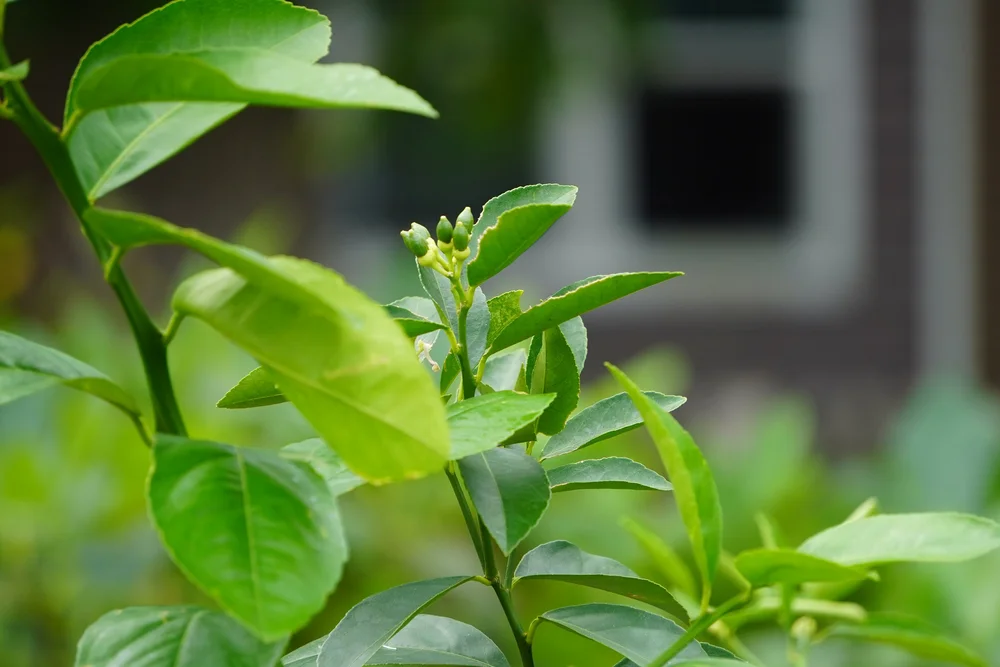
Our tree collection
Open a name for fruit and care notes. Contact us for today’s sizes and selection before making a trip.
Meyer lemon
The fruit. A round, thin-skinned lemon with fragrant juice and a gentler tartness. Pick it when the peel turns deep yellow and the fruit feels heavy.
Growing it. Give it a sunny spot and a pot with open drainage holes. Water when the top inch of mix begins to dry, then soak thoroughly. A bright, frost-free winter spot keeps this dwarf citrus within reach.
Key lime
The fruit. Small, thin-skinned limes carry seeds and intensely fragrant, tart juice. The rind turns yellow at full ripeness.
Growing it. Give this cold-sensitive lime full sun outdoors during warm weather. Bring its pot inside before frost. Handle the thorny branches carefully when moving or picking.
Persian lime
The fruit. The larger, usually seedless lime familiar from the produce aisle. Pick it plump and green for tart juice, or let the peel lighten as it matures.
Growing it. Give it sun, a free-draining citrus mix and room for its spreading canopy. Rotate the pot for even growth. Protect it from freezing temperatures and avoid leaving water in the saucer.
Makrut lime (Kaffir lime)
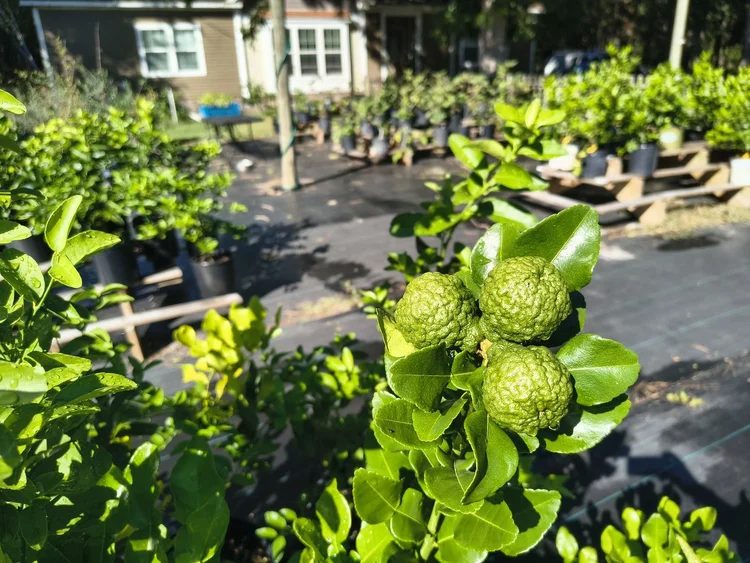
The fruit. A deeply puckered green fruit prized for its aromatic zest. The distinctive double-lobed leaves give Southeast Asian dishes their familiar citrus fragrance.
Growing it. Keep it in a bright, frost-free place in winter. Use a draining container, let the surface dry slightly between waterings, and harvest leaves sparingly while the tree establishes.
Arbequina olive
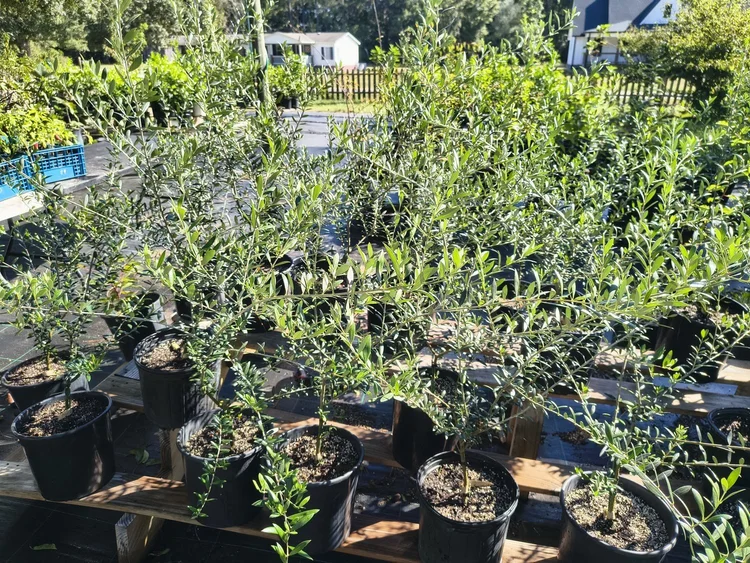
The fruit. Small olives turn from green to purple-black as they mature. The variety is known for mild, aromatic oil. Table olives need curing before eating.
Growing it. Choose the sunniest spot and excellent drainage. Water young trees as roots establish. In a wet yard choose a raised site or container, and shelter a young potted tree during hard freezes.
American red plum
The fruit. Small red to yellow-red plums have juicy flesh and tart skins. They make flavorful jam and jelly.
Growing it. Plant in full sun for the best crop. Give it room to spread by suckers, or remove shoots outside your chosen footprint. A second genetically different American plum nearby improves the chance of fruit.
American persimmon
The fruit. Small orange fall fruit develops a rich, honey-like sweetness when completely soft. Firm fruit can be intensely astringent.
Growing it. Allow room for a full-size native tree. Choose a sunny site and water deeply while the tree establishes. Most seedlings are male or female, so ask about a pollen source when planting for fruit.
Pawpaw
The fruit. Ripe greenish fruit yields gently to a squeeze. Inside is soft, custard-like flesh with a tropical aroma and large seeds.
Growing it. Plant two genetically different trees for fruit. Shelter young seedlings from harsh afternoon sun and keep roots evenly moist in well-drained soil. Established trees crop better with more light.
The fig collection
The Packhouse Unknown
I spotted the mother tree during a community oyster roast. It was growing on the Rice farm next door, on land my great-grandfather once owned. I can spot a fig tree a mile away now. That one was nearly hidden under vines and underbrush. Many limbs were dead, and the ones still growing were gnarled and stunted.
The Rices gave me permission to rescue it in exchange for cuttings. When I asked the Rices and my grandfather about the tree, they put its age at right around a hundred years. Given its age and the way the figs look, Brown Turkey is my best guess.
We’ve since shipped cuttings and trees from that mother tree to growers all over the United States.
Ask which fig varieties are ready to take home this week.
Alma
The fruit. Small to medium, pear-shaped fruit turns golden brown around an amber center. A good fresh-eating fig for a sweet tooth.
Growing it. A tight fruit eye helps in humid weather. Give the canopy room for air and check frequently as fruit softens.
Black Mission
The fruit. Purple-black skin encloses pinkish flesh with a rich, sweet flavor. Good fresh or dried.
Growing it. Allow room for vigorous growth or keep it trained with selective pruning. Choose a warm site and protect young wood from hard winter wind.
Brown Turkey
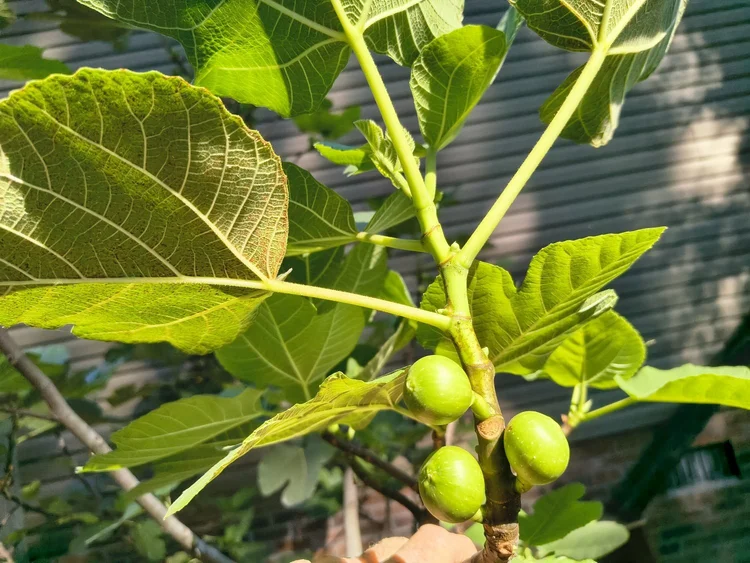
The fruit. Bronze to brown-purple figs with soft, mild, sweet flesh. A familiar Southern backyard fig.
Growing it. Give it full sun and mulch the roots. Remove cold-damaged tips after new growth shows where healthy wood begins.
Col de Dame Grise
The fruit. A gray-purple cast develops over the skin. The dark red center becomes dense and jammy at full ripeness.
Growing it. Give this late fig a warm, sunny site. Keep an open canopy and leave the fruit on the branch until the neck softens.
Col de Dame Rimada
The fruit. Striped skin surrounds richly colored red pulp. The ripe fruit is dense and sweet.
Growing it. A late main-crop fig that benefits from a long, warm exposure. Avoid heavy pruning that delays fruiting shoots.
Conadria
The fruit. Green to yellow-green fruit opens to a pink or red center. Its sweet flesh works fresh or dried.
Growing it. A vigorous grower. Allow room to spread and thin crowded stems during dormancy to keep the interior open.
Dr. Gowaty
The fruit. Green-skinned figs with a pale pink interior. The skin may hold its green color as the fruit softens.
Growing it. Judge ripeness by a yielding neck and a drooping fruit. Water at soil level and mulch young trees through dry coastal summers.
Green Ischia
The fruit. Small to medium green figs conceal a strawberry-colored center. The fruit eye is naturally small.
Growing it. Check softness on the branch because ripe fruit can stay green. Give it sun and even moisture while figs swell.
LSU Champagne
The fruit. Golden-yellow figs with tan to caramel-colored flesh. A sweet Louisiana selection with a small fruit eye.
Growing it. Maintain steady moisture and check fruit often during humid spells. Pick when the neck bends and the skin gives gently.
LSU Gold
The fruit. Large yellow figs open to pink or light-red flesh. A mild, sweet fig for eating straight from the tree.
Growing it. Inspect ripe fruit promptly in wet weather. Water at the roots and leave room for airflow around this large-fruited selection.
Magnolia
The fruit. Large bronze-toned figs are prized for preserves as well as fresh eating.
Growing it. The relatively open eye can admit rain. Pick ripe fruit promptly in wet spells and avoid overhead irrigation during ripening.
Panachée (Tiger fig)
The fruit. Distinct yellow and green stripes wrap a strawberry-colored center. The ripe flesh has a berry-like sweetness.
Growing it. Choose a sunny, warm position for this late fig. Stripes develop before ripeness, so wait until the fruit softens.
Peter’s Honey
The fruit. Glossy greenish-yellow skin surrounds dark amber flesh with pronounced honey sweetness.
Growing it. Give it a warm, sheltered site for full ripening. Harvest by softness and a bent neck since skin color changes only modestly.
Raspberry Latte
The fruit. Dark purple fruit with a rich berry character. A good pick for someone who likes darker, jammy figs.
Growing it. Give this later-ripening variety a warm position with afternoon sun. Thin crowded stems to keep light on the developing fruit.
Robert’s Golden Rainbow
The fruit. Large, long-necked yellow figs with honey-sweet flesh.
Growing it. Give fruit time to soften fully. Keep soil moisture steady and check the large figs often around heavy summer rain.
Ronde de Bordeaux
The fruit. Small, round, dark-skinned figs with red pulp and a rich berry character. An early-ripening choice.
Growing it. Sun and free drainage help the early crop ripen. Once figs start to soften, check often and pick the same day they droop.
Strawberry Verte
The fruit. Green skin opens to a striking red center and a sweet berry flavor.
Growing it. Look for a drooping neck while the skin is still green. Provide sun and air circulation, especially through humid ripening weather.
Texas Everbearing
The fruit. Plump, bronze-brown, mildly sweet figs with amber-toned flesh. We offer this under its nursery label.
Growing it. Leave a few healthy older branches when shaping the plant to preserve the potential first crop. Water during extended dry spells.
Violette de Bordeaux
The fruit. Small to medium purple-black figs with deep red flesh and a rich, berry-like flavor.
Growing it. Its relatively compact habit suits a sunny patio planter. Check container moisture often during summer heat.
White Madeira
The fruit. Light green to yellow-skinned fruit valued for fresh eating. Ask about the fruit on our nursery stock.
Growing it. Give it a sunny exposure and harvest when soft, even if the skin still looks green. Keep the root zone mulched through dry weather.
Yellow Long Neck
The fruit. An elongated neck and syrupy, honey-like sweetness distinguish this pale green-to-yellow fig.
Growing it. Choose a warm spot for the later main crop. Check ripe fruit after rain and pick promptly for best flavor.
Coastal North Carolina
Planting in coastal sand
Start with the soil
Around Holly Ridge, sandy, often slightly acidic soil drains quickly and holds few nutrients. Test your own bed before applying lime, sulfur or fertilizer. Imported fill can change the pH from one yard to the next.
Plant wide and shallow
Find the trunk flare and set it at or just above the finished grade. Dig a hole two to three times the root ball’s width and backfill with the soil you removed. Keep any graft union above ground.
Build the whole bed
Mature compost spread across a sandy bed improves water retention. Use native soil around the root ball. A 2–3 inch layer of wood-chip mulch helps slow drying. Leave bare space around the trunk.
Water the roots
Water slowly and deeply after planting. Check the root ball itself during the first season and adjust for wind, heat and rainfall. Keep roots moist as they establish and allow excess water to drain.
Dwarf citrus in a pot. Start with a container just wider than the root ball and step up over time toward a 15–20 gallon planter. Use fresh, well-drained potting mix. Follow a citrus fertilizer label during active growth. Move pots to a bright, frost-free spot before a freeze. In-ground citrus needs a sheltered site and an active cold-protection plan.
From the nursery
Planned for 2027
Belle of Georgia peach
A white-fleshed, freestone peach with a red blush. Choose full sun, good airflow and well-drained soil. Thin crowded fruit after set. This self-fertile variety has a substantial winter chill requirement, so ask us about your site.
Mulberry
Soft clusters of sweet fruit are good fresh or in preserves. Give the tree sun, good drainage and room for its mature canopy. Choose a spot away from paving where ripe fruit can drop. Ask us which selection will be available.
Ask about arrival dates before planning a visit.